Early October 1991
The Return to Castle Rock
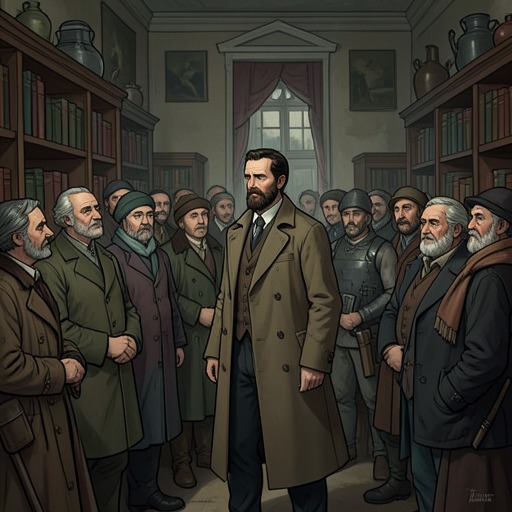
An unnamed local narrator welcomes a returning visitor to [Castle Rock](entity:location-recall-location-castle-rock-01d0b06559db) and describes the town as a place where ordinary grudges, church rivalries, and old tragedies usually settle into routine. Yet the narrator senses that trouble is gathering around a new shop called [Needful Things](entity:location-recall-location-needful-things-dbcd018897f8), whose dark awning and unopened windows seem to cast a shadow across [Main Street](entity:location-recall-location-main-street-e23229e4e5ad).
The warning places the shop at the center of the coming disaster: its proprietor has not yet appeared, but the narrator already suspects that ordinary resentments will soon become something far more dangerous.
October 8, 1991, late afternoon
Brian Discovers the Open Sign
Eleven-year-old [Brian Rusk](entity:character-recall-character-brian-rusk-b0cac1c11098) notices that [Needful Things](entity:location-recall-location-needful-things-dbcd018897f8) has unexpectedly opened a day early. Curious about the store and eager to have something exciting to tell his mother, he leaves his bicycle outside and enters.
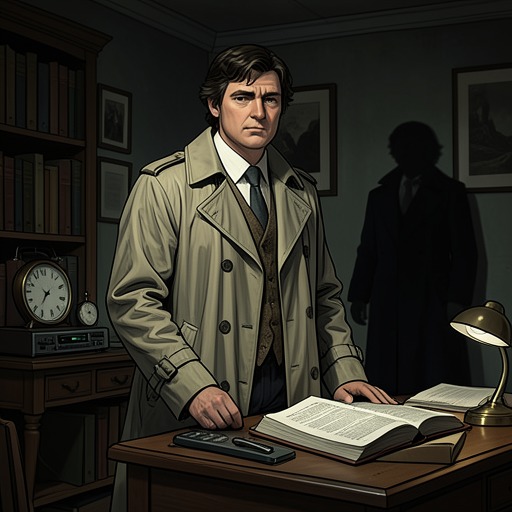
The tall proprietor, [Leland Gaunt](entity:character-recall-character-leland-gaunt-c5cae0765ff7), welcomes Brian as his first customer. Brian is immediately captivated by Gaunt’s manner and eyes, not realizing that the shop door closes behind him on its own.
October 8, 1991, shortly after Brian enters Needful Things
The Petrified Wood Vision
Gaunt shows Brian a petrified splinter said to come from Noah’s Ark. When Brian holds it, he experiences an intense vision of a boat on the water, complete with the sounds of animals and waves. The sensation makes the strange object feel like something he needs.
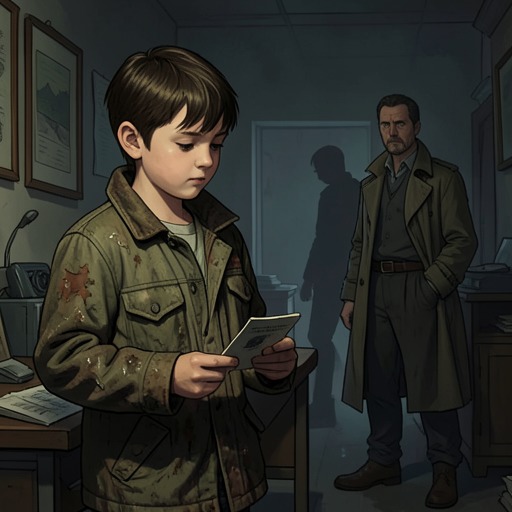
Gaunt then asks what Brian wants most. Brian names a 1956 Topps [Sandy Koufax card](entity:object-recall-object-226de312e030), and Gaunt produces one that is signed to a boy named Brian. The impossible fit between Brian’s desire and the item begins the bargain that will bind him to the shop.
October 8, 1991, just before four o’clock
Brian’s First Bargain
Gaunt sells Brian the signed Koufax card for eighty-five cents and a promise to play a trick on [Wilma Jerzyck](entity:character-recall-character-wilma-jerzyck-3ad63910e51e). Brian cannot remember the details of the bargain afterward, but he leaves the store delighted, carrying the card and believing it is worth almost anything.
The private, secret nature of the purchase begins to isolate Brian from his family and friends. Gaunt has not merely sold him a collectible; he has connected Brian’s longing to a task that will draw an innocent child into the town’s widening web of harm.
October 9, 1991, shortly after ten in the morning
Polly Welcomes Gaunt
[Polly Chalmers](entity:character-recall-character-polly-chalmers-5d9fd84e9552) visits [Needful Things](entity:location-recall-location-needful-things-dbcd018897f8) with a cake to welcome her new neighbor, despite the town’s convention against showing too much interest in a new business. Gaunt’s charm and apparent attentiveness quickly put her at ease, while his handshake leaves her with a faint sense of revulsion.
Polly tells him about [Castle Rock](entity:location-recall-location-castle-rock-01d0b06559db) and its people, including [Nettle Cobb](entity:character-recall-character-nettle-cobb-59911a775bb0), her housekeeper. Gaunt asks about the town’s residents and listens closely, learning the relationships and vulnerabilities that will let him turn neighbors against one another.
October 9, 1991, later that morning and afternoon
The Town Begins to Shop
Women and men from [Castle Rock](entity:location-recall-location-castle-rock-01d0b06559db) begin visiting [Needful Things](entity:location-recall-location-needful-things-dbcd018897f8), each pretending to be only casually curious. Gaunt’s unusual stock seems to contain something for many tastes, and he invites visitors to name their own prices rather than displaying tags.
Cyndi Rose Martin buys a Lalique vase after a round of bargaining. Gaunt’s pleasant, eccentric manner conceals a more deliberate process: he observes what people desire, then draws them into private deals that include a promised prank against someone else in town.
October 9, 1991, late afternoon
Nettle Buys the Lampshade
[Nettle Cobb](entity:character-recall-character-nettle-cobb-59911a775bb0) is invited back to [Needful Things](entity:location-recall-location-needful-things-dbcd018897f8) to see its carnival glass. Nervous and hesitant, she nevertheless enters and buys a beautiful lampshade for the ten dollars and forty cents in her purse. The purchase gives her an unusual sense of happiness and independence.
Gaunt requires her to finish paying by playing a harmless trick on [Danforth Keeton](entity:character-recall-character-danforth-keeton-99e44bf01aaf). He gives her a key and asks her to place papers in Keeton’s home. Nettle accepts, thinking the task will be minor and that she will never need to buy anything else from the shop.
October 9, 1991, late afternoon
Myra Buys the Elvis Portrait
[Myra Evans](entity:character-recall-character-myra-evans-e400ea9771d2) sneaks into [Needful Things](entity:location-recall-location-needful-things-dbcd018897f8) hoping to buy an Elvis portrait that [Cora Rusk](entity:character-recall-character-cora-rusk-610467c3f277) also wants. Gaunt has already sold the picture to Myra, and he exploits her fixation on it to demand a prank against [Henry Beaufort](entity:character-recall-character-henry-beaufort-b29517be0844).
Myra agrees, paying far more than she can comfortably afford and accepting the obligation because the picture seems to offer a private fantasy of closeness to Elvis. The deal makes her rivalry with Cora more dangerous and adds another link to Gaunt’s chain of grudges.
October 9, 1991, evening
Alan’s Grief Returns
After a draining day, [Alan Pangborn](entity:character-recall-character-alan-pangborn-313ce7d30e69) finds a joke can belonging to his dead son [Todd](entity:character-recall-character-todd-5439b9117975) in the family station wagon. The snake-in-a-can trick triggers memories of Todd and [Annie](entity:character-recall-character-annie-a433aee3d6b7), and Alan breaks down in tears over the accident that killed them.
The grief remains entangled with guilt: Alan still wonders whether he missed signs of Annie’s illness and whether that failure contributed to Todd’s death. He has not yet learned that the accident was deliberately caused, and his unresolved questions leave him vulnerable to the revelations Gaunt will later offer.
October 9, 1991, late night
Hugh Sees the Fox-Tail
After being forced to walk home from [The Mellow Tiger](entity:location-recall-location-the-mellow-tiger-51b1c74fbd24), [Hugh Priest](entity:character-recall-character-hugh-priest-174279f04d20) notices a [fox-tail](entity:object-recall-object-1a8e91251c19) displayed in [Needful Things](entity:location-recall-location-needful-things-dbcd018897f8). The sight brings back a vivid memory of his boyhood and the optimism he felt before alcohol took hold of his life.
Gaunt opens the shop after hours and sells Hugh the fox-tail for the change in his pockets and a promise to play a trick on [Nettle Cobb](entity:character-recall-character-nettle-cobb-59911a775bb0). Hugh feels drawn to the object as if it might help him begin again, but Gaunt redirects his attention toward revenge rather than recovery.
Night of October 9–10, 1991
Brian’s Dream of the Card
Brian dreams of a humiliating encounter with [Sally Ratcliffe](entity:character-recall-character-sally-ratcliffe-6e7547b84081) and [Wilma Jerzyck](entity:character-recall-character-wilma-jerzyck-3ad63910e51e), then wakes in a panic, checks his collection, and confirms that the signed Koufax card is still there. He knows there is some deed he must complete to make the card truly his.
The card becomes a secret possession that he cannot share with his father. Brian’s private pleasure shifts toward possessiveness, while the memory of Gaunt’s instructions makes him feel compelled to act against Wilma.
October 10, 1991, late morning
Nettle Plays Her Trick
Gaunt persuades Nettle that her task is harmless: she is to use the key he gave her to enter [Danforth Keeton](entity:character-recall-character-danforth-keeton-99e44bf01aaf)’s home and leave traffic-warning slips around it. Nettle believes Gaunt knows best and accepts the papers and tape.
The chore pushes her beyond the small purchase she thought she had made. Gaunt’s control over her is already strong enough that she follows instructions despite her unease, and she does not understand that the slips will accuse Keeton of crimes and intensify his delusions.
October 10, 1991, after school
Brian Throws Mud at Wilma’s Sheets
Brian bikes to [Wilma Jerzyck](entity:character-recall-character-wilma-jerzyck-3ad63910e51e)’s home and throws garden mud across her clean sheets. He has to overcome a moment of hesitation, but fear of losing the Koufax card and Gaunt’s imagined authority drive him forward.
The prank gives Brian a rush of excitement followed by shame. Wilma discovers the vandalism and immediately suspects Nettle, whose dog [Raider](entity:character-recall-character-raider-36463340aef2) had previously been the subject of their dispute. Brian’s small act becomes the first visible spark in the feud Gaunt has engineered.
October 10, 1991, evening
Wilma Threatens Nettle
Wilma calls Nettle and accuses her of ruining the sheets. Nettle denies doing it, but Wilma threatens to get even and warns that Nettle will not know when the punishment is coming.
Nettle is terrified, yet her anger begins to awaken the same dangerous state of mind that preceded her husband’s death. She clings to her new lampshade and [Raider](entity:character-recall-character-raider-36463340aef2) for comfort, while Wilma savors the prospect of another feud.
October 11, 1991, morning
Pete Drugs Wilma
[Pete Jerzyck](entity:character-recall-character-pete-jerzyck-db982c309b65) secretly puts a Xanax into Wilma’s coffee, hoping to prevent her from carrying out her threats against Nettle. He has used tranquilizers before when Wilma’s rage became dangerous, and the drug seems to soften her immediate impulse to confront Nettle.
The quiet reprieve does not resolve the conflict. Wilma continues to make threatening drive-bys, and Nettle’s fear grows. The pair are being pushed toward a collision while each believes the other is responsible for escalating the danger.
October 11, 1991, morning
Nettle Hides the Lampshade
As Wilma Jezik repeatedly circles her home, Nettel Cobb becomes too frightened to leave for work. She hides her lampshade in a locked cupboard in the woodshed and repeatedly checks the doors, convinced Wilma Jezik may break in and destroy it. Nettel Cobb calls Polly Ch
October 12, 1991, early morning
Keeton Discovers the Audit
Denver Keaton reviews letters from the Maine State Tax Board and realizes the state intends to audit [Castle Rock](entity:location-recall-location-castle-rock-01d0b06559db) Town's books within days. He has been embezzling town funds to support his gambling, and the audit threatens to expose his scheme. The prospect of discovery turns his anxiety into paranoia. Ke
October 12, 1991, afternoon and evening
Keeton Wins at the Raceway
Kiton returns to Bishu Pin Shop and buys the [Winning Ticket](entity:object-recall-object-winning-ticket-a5da0fbc4a7c) game after it predicts the winners of a mock race. Rayland Gant packages this deal as a way to recover losses, convincing Kiton that this game might help him avoid an imminent audit. Kiton uses this game to predict
October 13, 1991, early afternoon
Nettle Finds Raider Dead
After visiting Polly Chamment, Nettler Cobb returns home and discovers Red dead in the hallway, killed with a corkscrew and accompanied by a note blaming her for Wilma Jezik's ruined sheets. Leland Gunt's arrangements make this note seem to confirm Wilma's threat
October 13, 1991, afternoon
Nettle and Wilma Kill Each Other
Nate Kob and Wilma Jezik meet at the corner of [Ford and Willow streets](entity:location-recall-location-ford-willow-4b466a04b4a8), each armed with a kitchen weapon. Wilma Jezik stabs Nate Kob with a carving knife; Nate Kob strikes back with a meat cleaver, and both women die in the bloody
October 13, 1991, afternoon and evening
Alan Questions the Double Murder
Allen Pember arrives at the crime scene and finds Nettel Cobb and Wilma Jezek dead. He coordinates the response until the Maine Police take charge, but the apparent simplicity of the case troubles him: Nettel Cobb's behavior and the timeline of the rock-throwing do not feel right
Night of October 13–14, 1991
Gaunt Explains His Cross-Wiring
While Kabukicho sleeps, Leland Gunt describes his method to himself as an electrician's work: he connects people's desires and grudges so one person's prank becomes another's apparent attack. Brian Lasker and [Hugh Priest](entity:character-recall-character-hugh-priest-174279f04d20) have already been used to ignite the feud between Nett
October 13, 1991, afternoon
Polly Receives the Azka
Laylan Gunt gives Polly Chamment an ancient Egyptian amulet called an azka, claiming it can relieve pain. Polly Chamment is desperate enough to try it, and she soon experiences a dramatic easing of the arthritis in her hands. The relief is real, but it is part of a
October 13, 1991, afternoon
Polly’s Hidden Past
As Polly Chamment rests at home, she revisits the years she spent away from [Castle Rock](entity:location-recall-location-castle-rock-01d0b06559db). She had kept Kenton Chamment, her son, after leaving home, but he died in an apartment fire in [San Francisco](entity:location-recall-location-san-francisco-8a14902ce523) while she was at work. She returned to Maine carrying grief and shame
October 14, 1991, morning
Gaunt Hires Ace Merrill
As Merrill returns to [Castle Rock](entity:location-recall-location-castle-rock-01d0b06559db) town, desperate to escape an eighty-five-thousand-dollar debt to the Flight Cossen brothers. At the Necessity Store he finds a book apparently written by his late uncle, [Pop Merrill](entity:character-recall-character-pop-merrill-83be83570e00), and a map marking possible treasure sites. Leland Gunt offers him
October 14, 1991, afternoon and evening
Ace Delivers Gaunt’s Weapons
As Merrill drives Leland Gunt's supernatural Tucker from Cambridge to [Castle Rock](entity:location-recall-location-castle-rock-01d0b06559db) Town with crates of automatic pistols, ammunition, and blasting caps. The car seems invisible to speed traps and requires no fuel, deepening As Merrill's sense that he has entered a nightmare he can only obey. Leland G
October 14, 1991
Nettle and Wilma Are Buried
Polly Chances arranges Nathel Cobb's funeral and attends the burial with Allen Pemburn, [Rosalie Drake](entity:character-recall-character-rosalie-drake-86e348ad432f), Norris Rigwick, and a few others. Polly Chances' grief is compounded by her inability to understand how Nathel Cobb could have returned to violence after seeming to improve
October 13, 1991, late morning
Brian’s Second Attack on the Jerzycks
under leland gunters pressure and after a frightening dream, brian lasker returns to the jazick home with a cooler full of rocks. he throws them through the windows, smashes the television and other property, and leaves warning notes. a neighbor sees him leaving but does not
October 13, 1991, early afternoon
Keeton’s Warning Slips
Nater Korb enters the Kighton home and puts Leland Gunt's fake traffic warnings on household objects. The slips accuse Denver Kighton of embezzlement and other misconduct, turning his actual secret into apparent proof that an organized enemy knows everything. Kighton returns early
October 15, 1991, evening
Gaunt Sells Weapons in the Alley
As chaos spreads, Lian Gant stops pretending to be an ordinary shopkeeper and sells guns to angry townspeople from the service alley. He gives each buyer a weapon at a price matched to what they can afford, transforming the shop’s earlier private bargains into an armed endgame. The customers
October 15, 1991, evening
The Castle Rock Religious Riot
Pranks and stink bombs strike the Baptist church and the Catholic meeting halls during the planning meetings over Casino Nite. Congregants blame one another, and the confrontation spills into the street as the two groups charge and fight in the storm.
The feud that had previously been fought with posters and sermons becomes a mass brawl. Gaunt’s manipulation turns religious rivalry into one more front in [Castle Rock](entity:location-recall-location-castle-rock-01d0b06559db)’s collapse.
October 15, 1991, evening
The Sunoco Shootout
[Eddie Warburton](entity:character-recall-character-eddie-warburton-fcec91f30133), convinced [Sonny Jackett](entity:character-recall-character-sonny-jackett-2f923c5dcf2b) caused his car fire, enters the [Sunoco station](entity:location-recall-location-castle-rock-sunoco-6841bd29fb6a) with a gun and shoots Ricky Bissonette, mistaking him for Sonny. Sonny emerges and shoots Eddie, killing him.
The encounter reveals the precision of Gaunt’s method: false evidence and old racial resentment have been arranged to make two people interpret the same scene as an attack. Both men have acted under the pressure of manufactured grievance and the belief that they are defending what is theirs.
October 15, 1991, evening
Myrtle Plants the Church Bomb
[Myrtle Keeton](entity:character-recall-character-myrtle-keeton-0c5099a76b45) follows Gaunt’s instructions and places a ticking metal box and an insulting letter at the [Daughters of Isabella Hall](entity:location-recall-location-daughters-of-isabell-fac50f03a02f). June Gavineaux has separately been manipulated into planting a related prank at the [Knights of Columbus Hall](entity:location-recall-location-knights-of-columbus-1d8421a6174f).
The devices and messages are designed to inflame the Catholic–Baptist conflict. The people who planted them believe they are carrying out a limited trick, not setting off a chain of violence that could kill innocent bystanders.
October 15, 1991, late afternoon
Polly’s Errand at the Camber Place
Gaunt orders Polly to carry out a task involving [Ace Merrill](entity:character-recall-character-ace-merrill-363f652aa620) at the abandoned [Camber place](entity:location-recall-location-camber-2577900211b2). Still angry at Alan and afraid of losing the relief the azka gives her, Polly goes there, digs up an old can, and finds trading stamps and photographs alongside an envelope addressed to Ace.
She burns the incriminating contents but leaves the message for Ace buried with the can. The trip deepens her complicity and her shame, while she senses that Gaunt has used her conflict with Alan to make her an instrument in a larger scheme.
October 15, 1991, afternoon
The Bogus Letter Turns Polly Against Alan
Polly finds a purported letter from the [San Francisco Department of Child Welfare](entity:organization-recall-organization-san-francisco-de-f4c1474c6ab6) addressed to Alan and accusing him of investigating her past. The document confirms the fears she has kept hidden and makes her believe he has violated her confidence.
She confronts Alan by telephone, refuses to hear his explanation, and hangs up. The forged letter drives a wedge between them at the moment Gaunt needs Polly isolated and compliant.
October 14, 1991, afternoon and evening
Sally’s Prank Destroys Her Engagement
[Sally Ratcliffe](entity:character-recall-character-sally-ratcliffe-6e7547b84081) finds an envelope in [Lester Pratt](entity:character-recall-character-lester-pratt-66fb478b8471)’s car containing a fabricated photograph and letter suggesting that he has been unfaithful with Judy Libby. She believes the evidence, sprays an accusation across his windshield, and refuses his calls.
Gaunt’s deception turns Sally’s jealousy into anger and humiliation. Lester discovers a wallet planted in his car and, after [Slopey Dodd](entity:character-recall-character-slopey-dodd-38673da0d3e7) confirms seeing [John LaPointe](entity:character-recall-character-john-lapointe-2f5e35c49609) with Sally, attacks the deputy at the Sheriff’s Office; Sheila kills Lester with a shotgun stock to stop him from strangling John.
October 15, 1991, late afternoon
Hugh Attacks the Mellow Tiger
[Hugh Priest](entity:character-recall-character-hugh-priest-174279f04d20), convinced [Henry Beaufort](entity:character-recall-character-henry-beaufort-b29517be0844) has damaged his beloved [fox-tail](entity:object-recall-object-1a8e91251c19), arrives at [The Mellow Tiger](entity:location-recall-location-the-mellow-tiger-51b1c74fbd24) armed with a pistol bought from Gaunt. He shoots Billy Tupper and wounds Henry, who returns fire with a sawed-off shotgun.
Both men are critically wounded, and Hugh dies. The supposed dispute over a car and a fox-tail is another manufactured feud, brought to a lethal conclusion by Gaunt’s sale of weapons and his manipulation of Hugh’s dependency.
October 15, 1991, late afternoon
Lester Pratt Dies at the Sheriff’s Office
[Lester Pratt attacks John LaPointe](entity:action-recall-action-lester-pratt-john-lapo-8df5e7fbc41a) inside the [Castle Rock](entity:location-recall-location-castle-rock-01d0b06559db) Sheriff’s Office, accusing him of stealing Sally. [Sheila Brigham](entity:character-recall-character-sheila-brigham-e20232bc0ee2) tries to stop the assault and strikes Lester in the head with a shotgun stock, killing him.
Alan arrives to find the office in chaos, John badly injured, and Sheila in shock. The violence has now spread from private grievances into the institutions meant to keep the town safe.
October 15, 1991, late afternoon
Keeton Attacks Norris and Flees
[Danforth Keeton](entity:character-recall-character-danforth-keeton-99e44bf01aaf) emerges from his home and rams [Norris Ridgewick](entity:character-recall-character-norris-ridgewick-469538889b84)’s Volkswagen with his Cadillac. Norris escapes the wreck, and Alan handcuffs Keeton to the car while trying to restore order.
Keeton remains convinced that the town is persecuting him. He later frees himself and flees in the Cadillac, leaving his wife alone in the house and the police occupied with a growing series of crises.
October 15, 1991, late afternoon
Brian’s Suicide
After seeing the reports of Nettle and Wilma’s deaths and recognizing his own role in setting the feud in motion, Brian spirals into guilt and fear. When Alan questions him, he cannot admit what he did, and the encounter leaves him feeling that the damage is beyond repair.
At home, Brian takes his father’s rifle into the garage and kills himself in front of Sean. His final warning tells Sean never to enter [Needful Things](entity:location-recall-location-needful-things-dbcd018897f8), calling Gaunt a poison man and the shop a poison place.
October 15, 1991, evening
Myrtle Keeton Is Murdered
Danforth returns home still delusional and handcuffed to his Cadillac. In the garage he assaults Myrtle and kills her with a hammer after mistaking her for part of the conspiracy against him.
The murder marks another turning point in the town’s collapse. Gaunt calls Keeton afterward and persuades him to join a plan to fight the supposed persecutors rather than surrender.
October 15, 1991, early evening
Gaunt’s Armed Customers Turn on One Another
Gaunt’s customers begin carrying out their pranks and settling their grudges with the pistols he has sold them. [Cora Rusk](entity:character-recall-character-cora-rusk-610467c3f277) discovers [Myra Evans](entity:character-recall-character-myra-evans-e400ea9771d2)’s Elvis fantasy and, after Gaunt supplies her with a gun, goes to confront her; [Lenore Potter](entity:character-recall-character-lenore-potter-ce36702bf5e6) receives a pistol and later shoots Melissa Clutterbuck by mistake.
The weapons do not create the resentments, but they make each lie and misunderstanding potentially fatal. Gaunt’s customers believe they are acting in self-defense or seeking justice, while their purchases and choices turn the town into a battlefield.
October 15, 1991, evening
Alan Learns the Truth About Needful Things
At [Northern Cumberland Hospital](entity:location-recall-location-northern-cumberland-0b41c9c9faea), Alan speaks with [Sean Rusk](entity:character-recall-character-sean-rusk-7b73f5d2f3f3), who explains Brian’s warning and identifies [Needful Things](entity:location-recall-location-needful-things-dbcd018897f8) as the source of the poison. Sean also reveals that Brian believed Gaunt had reached their mother through her sunglasses and her fantasies of Elvis.
The conversation gives Alan the missing key: the shop is at the center of the violence, and [Gaunt’s bargains](entity:concept-recall-concept-gaunt-a74cf148d2f8) are poisoning people’s judgment. Alan leaves the hospital to return to [Castle Rock](entity:location-recall-location-castle-rock-01d0b06559db) and confront the man he has never managed to meet.
October 15, 1991, evening
Polly Destroys the Azka
At home, Polly realizes that the letter used to turn her against Alan was forged. She removes the azka, breaks it, and discovers that a spider has been living inside it, feeding on her and absorbing her pain.
The creature grows monstrous as it escapes. Polly kills it with a bathroom plunger, accepting the return of her pain rather than letting Gaunt keep control of her through the amulet.
October 15, 1991, evening
The Town Begins to Explode
[Ace Merrill](entity:character-recall-character-ace-merrill-363f652aa620) and Keeton load dynamite from the town motor pool into the newsvan and begin planting timed bombs around [Castle Rock](entity:location-recall-location-castle-rock-01d0b06559db). The first bridge charge blows the [Tin Bridge](entity:location-recall-location-tin-bridge-b0bc28d45f2a) into [Castle Stream](entity:location-recall-location-castle-stream-1a2e15e915da), cutting the town off and making the approaching storm even more isolating.
The explosions and the religious riot overwhelm the police response. Alan returns to find that the town’s disorder is no longer a series of isolated incidents but a coordinated catastrophe.
October 15, 1991, evening
Alan Sees the Fatal Crash
In The Necessities Store, Allen watched the video tape left by Goot, which recorded the day when Anne and [Todd](entity:character-recall-character-todd-5439b9117975) died. The video showed As Merrill driving a lime green Dodge Challenger, intentionally crashing a family's reconnaissance car off the road. Allen's long-standing doubts about Anne's final moments
October 15, 1991, shortly after the videotape
Polly Stops Alan’s Revenge
Allen left the essentials store determined to chase after As, holding the can that made him think of [Todd](entity:character-recall-character-todd-5439b9117975). Polly caught up with him on the street and admitted that Gault had sent her a forged letter making her believe that Allen had betrayed her. She persuaded Allen to see that Gault had sold him
October 15, 1991, evening
Norris Returns to the Fight
Facing the truth about the barbed wire rod, and confronting his role in the violent incident, Norris abandoned suicide. He broke the worthless bamboo rod, given to him as a precious fishing rod, and decided to face Gotti rather than avoid his responsibility. Norris was seriously injured and weak, yet he
October 15, 1991, near the courthouse
Norris Shoots Ace
Norris rushed to the court and found As Merrill and Denverus Keaton III armed. He ordered the two to stop, but As fired. Norris was injured, and state trooper Joe Price was shot dead. Norris managed to hit Keaton. As fled to a store for necessities, temporarily escaping
October 15, 1991, evening
Alan Takes Gaunt’s Valise
After the tape was destroyed, Allen found a dachshund skin suitcase, containing the sounds and souls collected by Gault. Gault insisted that it was his property and demanded Allen return it, but Allen refused, calling it evidence of the crime. Gault removed his disguise and threatened Allen
October 15, 1991, during the final confrontation
Ace Takes Polly Hostage
As went to the essential goods store, wanting weapons and pay; upon seeing Allen, he kidnapped Polly. He demanded the treasure he believed Allen had stolen from [Pop Merrill](entity:character-recall-character-pop-merrill-83be83570e00), and threatened her with a gun. Injured Norris was also present. He seized the opportunity when Polly bit As and broke free
October 15, 1991, moments after Ace is shot
Gaunt Is Driven from Castle Rock
Allen used the fake snake – the last joke [Todd](entity:character-recall-character-todd-5439b9117975) had made – as the basis for his magical counterattack. The paper snake briefly became real, bit Gotter, giving Allen the chance to snatch the suitcase. Then, Allen used a folded flower magic trick to create a dazzling flash of bright light
October 15, 1991, late evening
Castle Rock’s Destruction
Explosions destroyed the bridge and most of the central area, including the municipal building. The explosion caused the death of residents, journalists, and officials; only after the influence of Goot had subsided did the town's religious fights and private grudges begin to subside. Allen and Polly
After the storm, late October 15, 1991
Leaving the Town Behind
Allen, Polly, Norris, and Seddon left [Castle Rock](entity:location-recall-location-castle-rock-01d0b06559db) town, and the rescue workers and state police took over the ruins site. Allen told Henry Peyton that he no longer had anything to do with this town; he and Polly also admitted that some questions about the dead might never have answers. This
Epilogue, later and elsewhere
Gaunt Opens a New Shop
The narrative shifts to the central city of Iowa, where a new store called "Wish Fulfilled Store" is being prepared in an empty office. The townspeople are curious about the red awning and the promise that "customers will be unable to believe their eyes."